
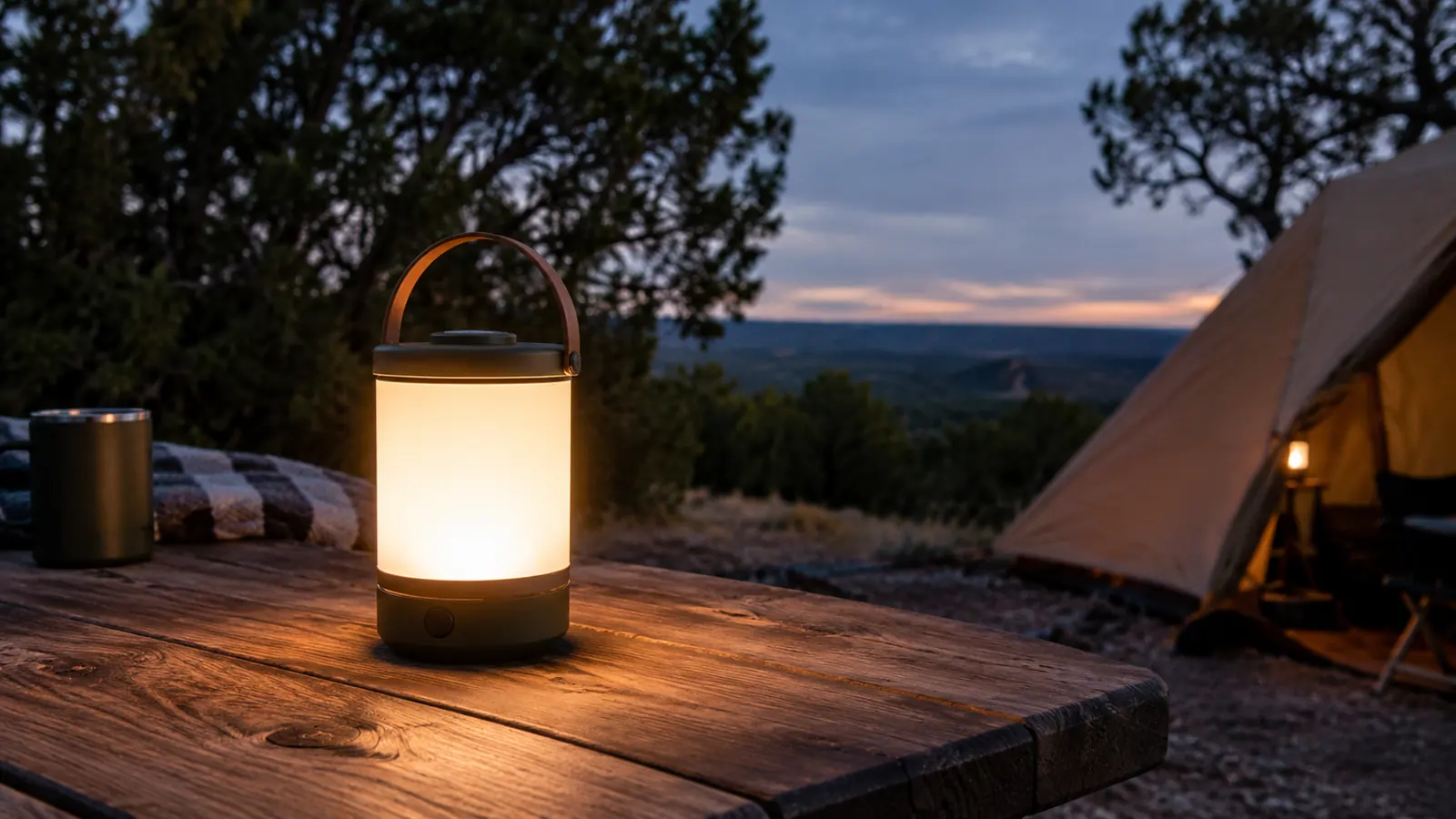
I spent about 15 years feeding D cells to camp lanterns before I wised up. Every Texas trip meant a fresh four-pack, and every trip ended with me shaking a lantern to see if it had anything left for one more night. Last year I bought two Lepro rechargeable lanterns for our car camping setup, and after a full season of Garner, Pedernales Falls, and a week in the Colorado mountains, I am never going back to disposables.
If you camp a few times a season like my family does, you already know the drill: the old battery lantern starts dimming on night two, you ration the light, and you pack out dead cells that feel heavier than they should. Here are the ten reasons a rechargeable lantern beats disposable batteries, straight from a Hill Country campsite.
Stop Buying Lantern Batteries Before Every Trip
One rechargeable lantern replaces a drawer full of D cells. See today's price on the Lepro 1000LM and start your next trip with a full charge instead of a fresh pack of batteries.
Amazon Check Today's Price on Amazon →You Stop Packing a Separate Bag of Batteries
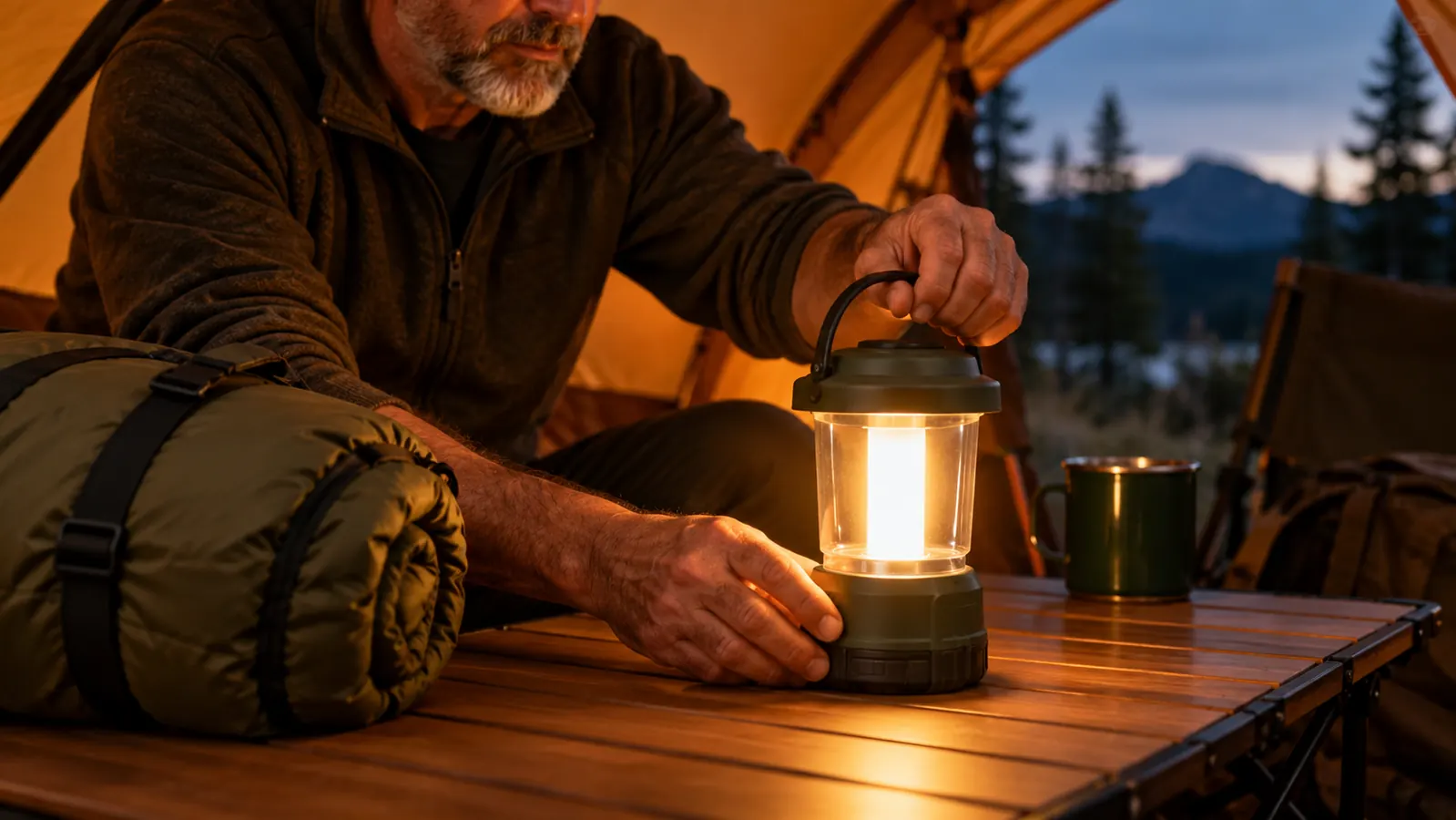
The first thing I noticed was the packing list getting shorter. No more four-pack of D cells per lantern, no more spare pack 'just in case,' no more digging through the camp bin at 11 PM wondering if we already used the last one. The old setup took up a whole pocket in the gear tote: two lanterns, a six-pack of D cells, and a spare four-pack of C cells for the backup. Now that pocket holds the two Lepros and one USB-C cable, with room left over for the camp knife. The 4400mAh battery is built in, so the lantern itself is the only thing that needs to go in the bag.
One Charge Lasts the Whole Weekend
We camped four nights at Garner this spring and I charged the Lepro once before we left. We pulled into the site on a Thursday in late April, and the lantern ran from about 8 PM until we turned in around 10:30 each night. A thunderstorm rolled through Saturday evening and we sat in the tent for two hours with the medium mode on. When we packed up Monday morning, the charge indicator still showed a bar left. My old battery lantern would have been noticeably weaker by night three. The Lepro's 1000 lumens on high mode is almost too bright for a tent, so we mostly used the mid setting and the battery barely noticed.
You Never Get Caught With the Wrong Battery Size
There is nothing like realizing at a dark campsite that you packed C cells for a lantern that takes D cells. Rechargeable lanterns do not care. When the Lepro runs low, the light starts to dim gradually and you charge it with a cable you already own. No guessing, no matching sizes, no borrowing from the smoke detector.
The Light Stays Bright Until the Battery Drops
Battery lanterns fade. A fresh set gives you a bright first night, then a dull second night, then a sickly orange glow by the third. The Lepro holds a steady output and then steps down through its modes, so you get real working light for the whole charge instead of a long decline. At the Guadalupe River in May, I set the Lepro next to the old battery lantern just to compare. The old one started brighter, but by the second hour it had already dropped a step. The Lepro looked the same at 10 PM as it did at 8 PM. That steady beam matters when you are trying to read a camp stove knob or find the tent zipper at 2 AM.
Four Light Modes Mean One Lantern Does Every Job
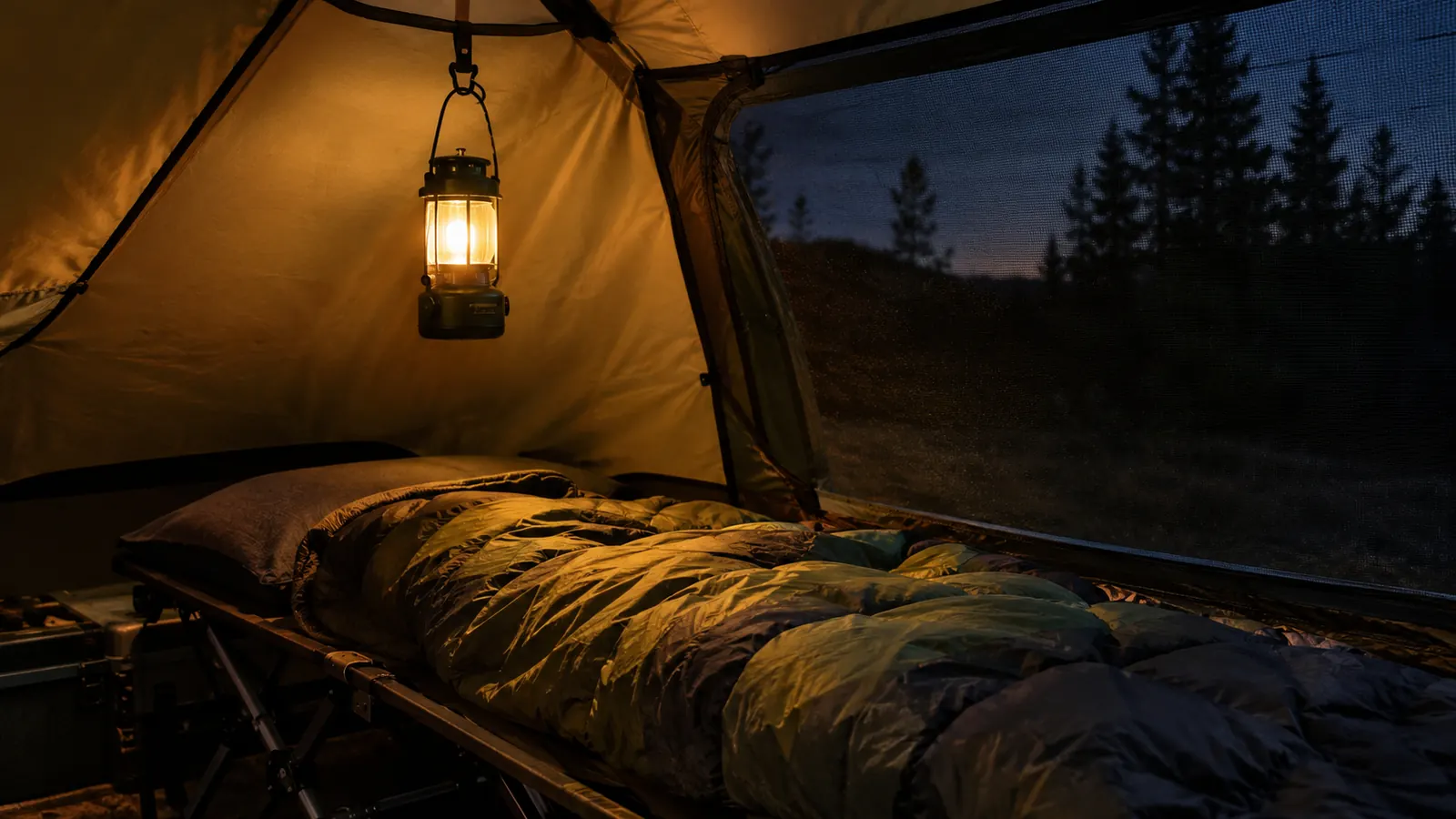
The Lepro has four modes and I have used all of them in a single trip. High mode lights up the whole picnic table for dinner. Medium hangs in the tent while we read. Low sits by the door as a nightlight for Eli's bathroom trips. The fourth mode is a warmer tone that makes the campsite feel less like a construction site and more like a home. My old single-mode lantern could not do any of that.
You Stop Spending Money on Cells That Last One Trip
I do not track every penny, but a four-pack of quality D cells is not cheap and we burned through one per trip. The Lepro cost more up front, and after a season of weekend trips the math had already flipped. By next summer the lantern will have paid for itself in batteries I did not buy. That is the kind of math I can get behind.
No Dead Batteries to Haul Home and Recycle
Texas state parks ask you to pack out your trash, and dead alkaline batteries are awkward to carry and annoying to recycle. With the Lepro, the only thing coming home is the lantern itself. I plug it in on the kitchen counter Sunday night and it is ready for the next trip. No recycling bin stash, no guilt about tossing cells in the trash.
It Doubles as a Power Bank in a Pinch
The 4400mAh battery is not just for light. When my phone died at Pedernales Falls and the 4Runner was a quarter-mile away, I used the Lepro's USB port to get enough juice to make a call. I did not buy it for that job, but knowing the lantern can charge a phone in an emergency makes it worth its spot in the gear bin even on trips where we never turn it on high.
It Survived a Week in the Colorado Mountains
We took the Lepro on our yearly trip to the Colorado mountains and it handled the cold nights without complaint. Nights up there dip into the 30s even in August, and cold can drain a lithium cell fast. The lantern sat on the camp table from about 7 PM to 10 PM for six nights straight, and I never once saw the dimming warning. It charged once, from the 4Runner's USB port on the drive up from Denver, and held through a week of cool evenings. My old battery lantern would have been a question mark by day five. The Lepro was a non-issue, which is exactly what you want from camp gear.
It Makes the Campsite Feel Like Home
This is the reason that does not show up in specs. A rechargeable lantern with a warm mode and a steady beam makes a tent feel less like a survival shelter and more like a room. Eli reads his book, Wade and I play cards, and the light does not flicker or fade or demand a battery run. That is the whole point of car camping for us: comfort at the end of a good day outside.
What I'd Skip
I would skip the rechargeable lantern if you only camp once a year and already own a battery lantern that works fine. The up-front cost is real, and if you are not using it often, a couple of battery packs a year is not a big burden. I would also skip it if you need a lantern for a week-long backcountry trip with no way to recharge. The Lepro is a car camping tool, not a thru-hiking tool. And if you are the kind of person who loses gear, a cheaper battery lantern might be the smarter call. For everyone else, the switch is painless.
One charge lasted our entire four-night Garner trip, and the only thing I packed out was the lantern itself.
Make the Switch Before Your Next Trip
If you are tired of dimming light and battery runs, the Lepro 1000LM is the fix. Check today's price on Amazon and start your next campout with a full charge.
Amazon Check Today's Price on Amazon →